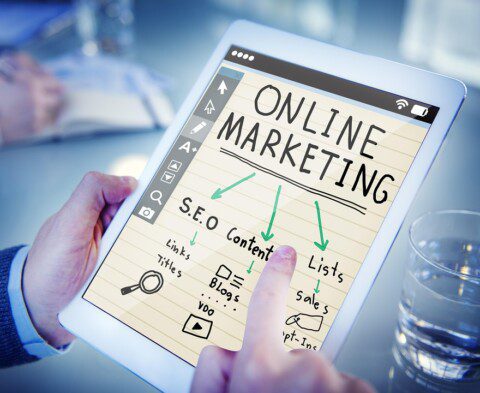
Email marketing is a powerful tool for businesses to reach their target audience,build brand awareness, and drive sales. With the right strategy, email marketing can help you connect with your customers, increase engagement, and ultimately boost your bottom line. In this article, we will take you through the 10 essential steps to get started with email marketing, providing you with a comprehensive guide to help you navigate the world of email marketing.
Introduction to Email Marketing
Email marketing is a form of digital marketing that involves sending targeted and personalized messages to your audience via email. It is a cost-effective way to reach your customers, build relationships, and promote your products or services. With email marketing, you can create and send targeted campaigns to your audience, track the performance of your emails, and make data-driven decisions to improve your marketing strategy.
Benefits of Email Marketing
The benefits of email marketing are numerous. For instance, email marketing allows you to:
- Build brand awareness and establish your business as an authority in your industry
- Drive sales and generate revenue
- Nurture leads and convert them into customers
- Improve customer engagement and retention
- Track the performance of your marketing campaigns and make data-driven decisions
Step 1: Define Your Target Audience
The first step to getting started with email marketing is to define your target audience. Who are your ideal customers? What are their needs, preferences, and pain points? Understanding your target audience is crucial to creating effective email marketing campaigns. You can use tools like Google Analytics to gather data about your website visitors and create buyer personas to guide your email marketing strategy.
Identifying Your Target Audience
To identify your target audience, you can ask yourself the following questions:
- What are the demographics of my ideal customer?
- What are their interests, needs, and pain points?
- What are their preferred communication channels?
- What are their goals and aspirations?
Step 2: Choose an Email Marketing Platform
The next step is to choose an email marketing platform that meets your needs. There are many email marketing platforms to choose from, including Mailchimp, Constant Contact, and Klaviyo. When choosing an email marketing platform, consider the following factors:
- Ease of use
- Features and functionality
- Pricing and scalability
- Integration with other marketing tools
Popular Email Marketing Platforms
Some popular email marketing platforms include:
- Mailchimp: A user-friendly platform with a free plan and a wide range of features
- Constant Contact: A platform with a wide range of features and a strong focus on customer support
- Klaviyo: A platform specifically designed for e-commerce businesses
Step 3: Create a Lead Magnet
A lead magnet is a valuable resource that you offer to your audience in exchange for their email address. It can be an eBook, a webinar, a template, or any other resource that provides value to your audience. Creating a lead magnet is essential to building your email list and attracting potential customers.
Types of Lead Magnets
Some types of lead magnets include:
- eBooks and whitepapers
- Webinars and video series
- Templates and worksheets
- Checklists and cheat sheets
Step 4: Build Your Email List
Building your email list is a crucial step in email marketing. You can build your email list by:
- Creating a lead magnet and promoting it on your website and social media channels
- Adding a sign-up form to your website
- Running paid advertising campaigns to drive traffic to your sign-up form
- Partnering with other businesses to co-promote each other’s content
Email List Building Tips
Some tips for building your email list include:
- Make sure your sign-up form is visible and easily accessible
- Offer a clear and compelling incentive for people to sign up
- Use social proof to build trust and credibility
- Segment your email list to improve engagement and conversion
Step 5: Create Engaging Email Content
Creating engaging email content is essential to keeping your audience interested and engaged. Your email content should be:
- Relevant and personalized to your audience
- Well-written and free of errors
- Visually appealing and easy to read
- Optimized for mobile devices
Email Content Tips
Some tips for creating engaging email content include:
- Use a conversational tone and avoid jargon
- Use storytelling techniques to make your content more relatable
- Use images and videos to break up text and add visual interest
- Use clear and compelling calls-to-action
Step 6: Set Up Email Automation
Email automation allows you to set up automated email sequences that are triggered by specific actions or events. It can help you save time, improve efficiency, and increase engagement. You can use email automation to:
- Welcome new subscribers and onboard them to your email list
- Nurture leads and convert them into customers
- Abandon cart emails and win back inactive customers
Email Automation Tips
Some tips for setting up email automation include:
- Start with simple automation sequences and gradually add more complexity
- Use triggers and actions to create personalized and relevant email sequences
- Use analytics and tracking to monitor the performance of your automation sequences
- Use A/B testing to optimize and improve your automation sequences
Step 7: Analyze and Optimize Your Email Campaigns
Analyzing and optimizing your email campaigns is essential to improving their performance and achieving your marketing goals. You can use analytics and tracking to:
- Monitor open rates, click-through rates, and conversion rates
- Identify areas for improvement and optimize your email content and subject lines
- Segment your email list and create targeted campaigns
- Use A/B testing to optimize and improve your email campaigns
Email Analytics Tips
Some tips for analyzing and optimizing your email campaigns include:
- Use clear and concise subject lines and avoid spam triggers
- Use personalization and segmentation to improve engagement and conversion
- Use social proof and customer testimonials to build trust and credibility
- Use urgency and scarcity to create a sense of urgency and encourage action
Step 8: Avoid Spam Filters and Improve Deliverability
Avoiding spam filters and improving deliverability is essential to ensuring that your emails reach your audience’s inbox. You can avoid spam filters by:
- Using clear and concise subject lines and avoiding spam triggers
- Using a clear and visible unsubscribe link
- Using a physical mailing address and a legitimate reply-to email address
- Avoiding excessive use of images and links
Deliverability Tips
Some tips for improving deliverability include:
- Use a reputable email service provider and avoid using public email services like Gmail or Yahoo
- Use a dedicated IP address and avoid sharing IP addresses with other senders
- Use authentication and encryption to secure your emails and improve deliverability
- Use feedback loops and complaint rates to monitor and improve deliverability
Step 9: Comply with Email Marketing Regulations
Complying with email marketing regulations is essential to avoiding fines and penalties. You can comply with email marketing regulations by:
- Using clear and concise subject lines and avoiding deceptive subject lines
- Using a clear and visible unsubscribe link
- Using a physical mailing address and a legitimate reply-to email address
- Honoring opt-out requests and avoiding sending unsolicited emails
Email Marketing Regulations
Some email marketing regulations include:
- The CAN-SPAM Act in the United States
- The General Data Protection Regulation (GDPR) in the European Union
- The Anti-Spam Law in Canada
- The Spam Act in Australia
Step 10: Continuously Monitor and Improve
Continuously monitoring and improving your email marketing strategy is essential to achieving your marketing goals and staying ahead of the competition. You can continuously monitor and improve by:
- Tracking and analyzing your email metrics and performance
- Using A/B testing and experimentation to optimize and improve your email campaigns
- Staying up-to-date with the latest email marketing trends and best practices
- Using customer feedback and surveys to improve and refine your email marketing strategy
Continuous Improvement Tips
Some tips for continuous improvement include:
- Use data and analytics to inform your email marketing strategy
- Use customer feedback and surveys to improve and refine your email marketing strategy
- Use A/B testing and experimentation to optimize and improve your email campaigns
- Use social proof and customer testimonials to build trust and credibility
In conclusion, getting started with email marketing requires a strategic approach and a deep understanding of your target audience, email marketing platforms, and email marketing best practices. By following the 10 essential steps outlined in this article, you can create an effective email marketing strategy that drives sales, builds brand awareness, and nurtures leads. Remember to continuously monitor and improve your email marketing strategy to achieve your marketing goals and stay ahead of the competition.
If you’re ready to get started with email marketing, sign up for a free trial with a reputable email marketing platform like Mailchimp or Constant Contact. Create a lead magnet and start building your email list. Remember to comply with email marketing regulations and avoid spam filters to improve deliverability. With the right strategy and a deep understanding of your target audience, you can achieve your marketing goals and drive sales with email marketing.
10 Essential Steps to Get Started with Email Marketing
Get started with email marketing and drive sales with our comprehensive guide. Learn how to define your target audience, choose an email marketing platform, create a lead magnet, and more.
email marketing, email marketing platform, lead magnet, email list, email automation, email analytics, spam filters, deliverability, email marketing regulations, continuous improvement
digital marketing, online marketing, marketing strategy, marketing goals, target audience, customer engagement, conversion rates, open rates, click-through rates, A/B testing, experimentation, customer feedback, social proof, customer testimonials.
email marketing for beginners, email marketing tips, email marketing best practices, email marketing strategy, email marketing platform comparison, lead magnet ideas, email list building tips, email automation workflows, email analytics tools, spam filter avoidance, deliverability tips, email marketing regulation compliance.
US email marketing, UK email marketing, Australia email marketing, Canada email marketing, email marketing for small businesses, email marketing for e-commerce businesses.
LSI keywords: online marketing, digital marketing, marketing strategy, marketing goals, target audience, customer engagement, conversion rates, open rates, click-through rates.
LSI keywords are used to avoid keyword stuffing and to provide a more natural and conversational tone to the content.