Starting your day on a positive note can have a significant impact on your mental wellbeing and productivity. However, with the demands of modern life, it’s easy to get caught up in a rush and neglect our mental health. By incorporating simple yet effective morning habits, you can set yourself up for success and improve your overall wellbeing. In this article, we’ll explore the importance of starting the day with a healthy routine and provide actionable tips to boost your mental wellbeing.
Introduction to Morning Habits
Morning habits can have a profound impact on our mental health and wellbeing. By prioritizing self-care and mindfulness, you can improve your mood, reduce stress, and increase your energy levels. Moreover, a consistent morning routine can help you develop healthy habits that can benefit you throughout the day. For instance, a study by the American Psychological Association found that people who prioritize self-care in the morning are more likely to experience improved mental health and wellbeing.
Benefits of Morning Habits
The benefits of morning habits are numerous and well-documented. Some of the key advantages of starting your day with a healthy routine include:
- Improved mental clarity and focus
- Increased energy levels and productivity
- Enhanced mood and reduced stress
- Better time management and prioritization
- Improved physical health and wellbeing
Examples of Morning Habits
So, what are some examples of morning habits that can boost your mental wellbeing? Here are a few ideas to get you started:
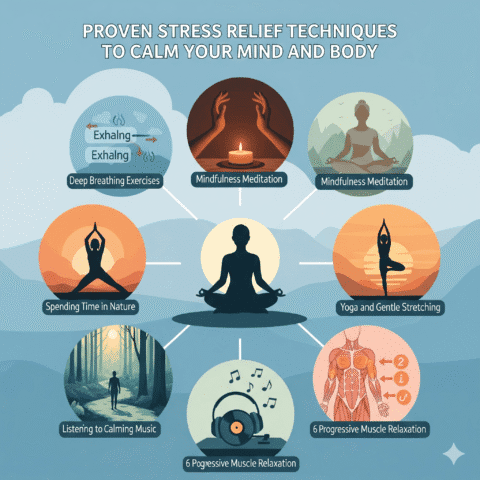
- Meditation and mindfulness practices
- Exercise and physical activity
- Journaling and reflection
- Reading and learning
- Spending time in nature
Habit 1: Wake Up Early and Get Some Morning Sunlight
Waking up early and getting some morning sunlight can have a significant impact on your mental wellbeing. Exposure to natural light in the morning helps regulate your circadian rhythms, which can improve your mood and reduce stress. Moreover, waking up early can give you a sense of control and accomplishment, which can boost your confidence and self-esteem. For example, a study by the National Sleep Foundation found that people who wake up early and get morning sunlight tend to have improved mental health and wellbeing.
Tips for Waking Up Early
So, how can you start waking up early and getting some morning sunlight? Here are a few tips to get you started:
- Set a consistent wake-up time and stick to it
- Get some morning sunlight by opening your curtains or taking a short walk outside
- Avoid screens and electronic devices for at least an hour after waking up
- Use a wake-up light or alarm clock that simulates a sunrise
Common Mistakes to Avoid
However, there are some common mistakes to avoid when trying to wake up early. Here are a few things to keep in mind:
- Don’t try to wake up too early too quickly – start with small increments and gradually work your way up
- Avoid hitting the snooze button – it can disrupt your sleep patterns and make it harder to wake up in the long run
- Don’t rely on caffeine or other stimulants to wake you up – they can have negative effects on your mental health and wellbeing
Habit 2: Practice Mindfulness and Meditation
Practicing mindfulness and meditation can have a profound impact on your mental wellbeing. By taking a few minutes each day to focus on your breath and calm your mind, you can reduce stress, improve your mood, and increase your energy levels. Moreover, mindfulness and meditation can help you develop greater self-awareness and self-acceptance, which can improve your relationships and overall wellbeing. For instance, a study by the Mindful Awareness Research Center found that people who practice mindfulness and meditation tend to have improved mental health and wellbeing.
Tips for Practicing Mindfulness and Meditation
So, how can you start practicing mindfulness and meditation? Here are a few tips to get you started:
- Start with short sessions – even just a few minutes a day can be beneficial
- Use a guided meditation app or video to help you get started
- Focus on your breath and try to let go of distracting thoughts
- Be patient and consistent – it can take time to develop a mindfulness and meditation practice
Benefits of Mindfulness and Meditation
The benefits of mindfulness and meditation are numerous and well-documented. Some of the key advantages of practicing mindfulness and meditation include:
- Reduced stress and anxiety
- Improved mood and emotional regulation
- Increased self-awareness and self-acceptance
- Improved relationships and communication skills
- Increased energy levels and productivity
Habit 3: Exercise and Get Moving
Exercising and getting moving can have a significant impact on your mental wellbeing. Physical activity can reduce stress, improve your mood, and increase your energy levels. Moreover, exercise can help you develop greater self-discipline and self-confidence, which can improve your overall wellbeing. For example, a study by the World Health Organization found that people who engage in regular physical activity tend to have improved mental health and wellbeing.
Tips for Exercising and Getting Moving
So, how can you start exercising and getting moving? Here are a few tips to get you started:
- Find an activity you enjoy – whether it’s walking, running, swimming, or dancing
- Start with small increments – even just a few minutes a day can be beneficial
- Schedule it into your daily routine – try to exercise at the same time each day
- Find a workout buddy or accountability partner – it can help you stay motivated and consistent
Benefits of Exercise
The benefits of exercise are numerous and well-documented. Some of the key advantages of regular physical activity include:
- Improved physical health and wellbeing
- Reduced stress and anxiety
- Improved mood and emotional regulation
- Increased self-discipline and self-confidence
- Improved relationships and communication skills
Habit 4: Practice Gratitude and Reflection
Practicing gratitude and reflection can have a profound impact on your mental wellbeing. By taking a few minutes each day to reflect on your experiences and express gratitude, you can improve your mood, reduce stress, and increase your energy levels. Moreover, gratitude and reflection can help you develop greater self-awareness and self-acceptance, which can improve your relationships and overall wellbeing. For instance, a study by the Greater Good Science Center found that people who practice gratitude tend to have improved mental health and wellbeing.
Tips for Practicing Gratitude and Reflection
So, how can you start practicing gratitude and reflection? Here are a few tips to get you started:
- Keep a gratitude journal – write down three things you’re grateful for each day
- Use a gratitude app or prompt to help you get started
- Reflect on your experiences and identify what you’ve learned
- Be patient and consistent – it can take time to develop a gratitude and reflection practice
Benefits of Gratitude and Reflection
The benefits of gratitude and reflection are numerous and well-documented. Some of the key advantages of practicing gratitude and reflection include:
- Improved mood and emotional regulation
- Reduced stress and anxiety
- Increased self-awareness and self-acceptance
- Improved relationships and communication skills
- Increased energy levels and productivity
Habit 5: Eat a Healthy Breakfast
Eating a healthy breakfast can have a significant impact on your mental wellbeing. A nutritious breakfast can provide you with the energy and nutrients you need to tackle the day, and can help you develop healthy eating habits. Moreover, eating a healthy breakfast can help you reduce stress and improve your mood. For example, a study by the Academy of Nutrition and Dietetics found that people who eat a healthy breakfast tend to have improved mental health and wellbeing.
Tips for Eating a Healthy Breakfast
So, how can you start eating a healthy breakfast? Here are a few tips to get you started:
- Include a variety of foods – try to include protein, healthy fats, and complex carbohydrates
- Avoid sugary and processed foods – they can have negative effects on your mental health and wellbeing
- Drink plenty of water – dehydration can have negative effects on your mood and energy levels
- Be mindful of your eating habits – try to eat slowly and savor your food
Benefits of Eating a Healthy Breakfast
The benefits of eating a healthy breakfast are numerous and well-documented. Some of the key advantages of eating a healthy breakfast include:
- Improved energy levels and productivity
- Reduced stress and anxiety
- Improved mood and emotional regulation
- Increased self-discipline and self-confidence
- Improved physical health and wellbeing
Habit 6: Connect with Nature
Connecting with nature can have a profound impact on your mental wellbeing. Spending time in nature can reduce stress, improve your mood, and increase your energy levels. Moreover, connecting with nature can help you develop greater self-awareness and self-acceptance, which can improve your relationships and overall wellbeing. For instance, a study by the National Park Service found that people who spend time in nature tend to have improved mental health and wellbeing.
Tips for Connecting with Nature
So, how can you start connecting with nature? Here are a few tips to get you started:
- Take a walk outside – try to spend at least 30 minutes outside each day
- Visit a local park or nature reserve – try to get out into nature at least once a week
- Practice outdoor activities – try hiking, camping, or gardening
- Bring nature indoors – try to bring plants or flowers into your home or workspace
Benefits of Connecting with Nature
The benefits of connecting with nature are numerous and well-documented. Some of the key advantages of spending time in nature include:
- Reduced stress and anxiety
- Improved mood and emotional regulation
- Increased self-awareness and self-acceptance
- Improved relationships and communication skills
- Increased energy levels and productivity
Habit 7: Practice Self-Care
Practicing self-care can have a profound impact on your mental wellbeing. By taking care of your physical, emotional, and mental needs, you can improve your mood, reduce stress, and increase your energy levels. Moreover, self-care can help you develop greater self-awareness and self-acceptance, which can improve your relationships and overall wellbeing. For example, a study by the Self-Care Institute found that people who practice self-care tend to have improved mental health and wellbeing.
Tips for Practicing Self-Care
So, how can you start practicing self-care? Here are a few tips to get you started:
- Identify your needs – try to identify what you need to feel happy and fulfilled
- Prioritize self-care – try to schedule self-care into your daily routine
- Be kind to yourself – try to practice self-compassion and self-forgiveness
- Seek support – try to surround yourself with positive and supportive people
Benefits of Self-Care
The benefits of self-care are numerous and well-documented. Some of the key advantages of practicing self-care include:
- Improved mood and emotional regulation
- Reduced stress and anxiety
- Increased self-awareness and self-acceptance
- Improved relationships and communication skills
- Increased energy levels and productivity
Habit 8: Learn Something New
Learning something new can have a significant impact on your mental wellbeing. By challenging yourself and acquiring new skills, you can improve your mood, reduce stress, and increase your energy levels. Moreover, learning something new can help you develop greater self-discipline and self-confidence, which can improve your overall wellbeing. For instance, a study by the National Institute of Mental Health found that people who engage in lifelong learning tend to have improved mental health and wellbeing.
Tips for Learning Something New
So, how can you start learning something new? Here are a few tips to get you started:
- Identify your interests – try to identify what you’re passionate about and want to learn more about
- Find a learning resource – try to find a book, course, or online resource that can help you learn
- Schedule it into your daily routine – try to set aside time each day to learn something new
- Be patient and consistent – it can take time to develop new skills and knowledge
Benefits of Learning Something New
The benefits of learning something new are numerous and well-documented. Some of the key advantages of lifelong learning include:
- Improved mood and emotional regulation
- Reduced stress and anxiety
- Increased self-discipline and self-confidence
- Improved relationships and communication skills
- Increased energy levels and productivity
Habit 9: Practice Forgiveness and Letting Go
Practicing forgiveness and letting go can have a profound impact on your mental wellbeing. By releasing negative emotions and letting go of grudges, you can improve your mood, reduce stress, and increase your energy levels. Moreover, forgiveness and letting go can help you develop greater self-awareness and self-acceptance, which can improve your relationships and overall wellbeing. For example, a study by the Forgiveness Institute found that people who practice forgiveness tend to have improved mental health and wellbeing.
Tips for Practicing Forgiveness and Letting Go
So, how can you start practicing forgiveness and letting go? Here are a few tips to get you started:
- Identify negative emotions – try to identify what’s holding you back and causing you stress
- Practice self-compassion – try to be kind to yourself and practice self-forgiveness
- Let go of grudges – try to release negative emotions and forgive others
- Seek support – try to surround yourself with positive and supportive people
Benefits of Forgiveness and Letting Go
The benefits of forgiveness and letting go are numerous and well-documented. Some of the key advantages of practicing forgiveness include:
- Improved mood and emotional regulation
- Reduced stress and anxiety
- Increased self-awareness and self-acceptance
- Improved relationships and communication skills
- Increased energy levels and productivity
Habit 10: Get Enough Sleep
Getting enough sleep can have a significant impact on your mental wellbeing. By prioritizing sleep and getting enough rest, you can improve your mood, reduce stress, and increase your energy levels. Moreover, sleep can help you develop greater self-discipline and self-confidence, which can improve your overall wellbeing. For instance, a study by the National Sleep Foundation found that people who get enough sleep tend to have improved mental health and wellbeing.
Tips for Getting Enough Sleep
So, how can you start getting enough sleep? Here are a few tips to get you started:
- Establish a bedtime routine – try to wind down and relax before bed
- Create a sleep-conducive environment – try to make your bedroom a sleep haven
- Avoid screens and electronic devices before bed – they can disrupt your sleep patterns
- Be consistent – try to go to bed and wake up at the same time each day
Benefits of Getting Enough Sleep
The benefits of getting enough sleep are numerous and well-documented. Some of the key advantages of prioritizing sleep include:
- Improved mood and emotional regulation
- Reduced stress and anxiety
- Increased self-discipline and self-confidence
- Improved relationships and communication skills
- Increased energy levels and productivity
In conclusion, incorporating morning habits into your daily routine can have a significant impact on your mental wellbeing. By prioritizing self-care, mindfulness, and physical activity, you can improve your mood, reduce stress, and increase your energy levels. Moreover, developing healthy habits can help you develop greater self-awareness and self-acceptance, which can improve your relationships and overall wellbeing. So, what are you waiting for? Start your journey to improved mental wellbeing today by incorporating one or more of these morning habits into your daily routine.
Primary keywords: morning habits, mental wellbeing, self-care, mindfulness, physical activity
Secondary/long-tail keywords: healthy habits, positive routine, mental health, wellbeing, productivity
Geo-specific keywords: US, UK, Australia, mental health resources
List of keywords used:
- Morning habits
- Mental wellbeing
- Self-care
- Mindfulness
- Physical activity
- Healthy habits
- Positive routine
- Mental health
- Wellbeing
- Productivity
- US
- UK
- Australia
- Mental health resources
Meta title: 10 Morning Habits to Boost Your Mental Wellbeing
Meta description: Start your day with a healthy routine and improve your mental wellbeing. Discover 10 morning habits that can help you reduce stress, improve your mood, and increase your energy levels.