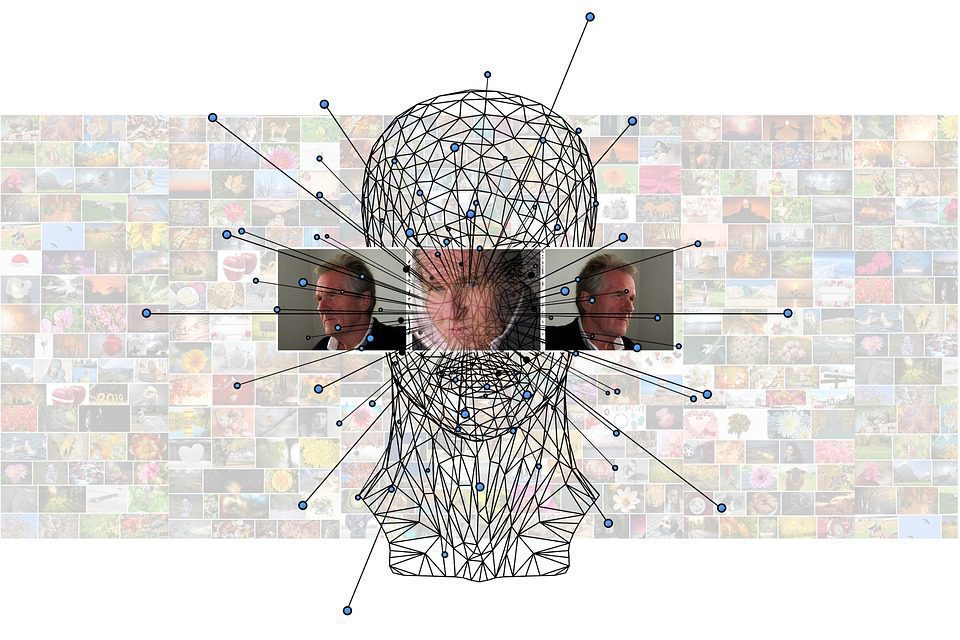
Machine learning is a fascinating field that has revolutionized the way we live, work, and interact with technology. From virtual assistants like Siri and Alexa to self-driving cars and personalized product recommendations, machine learning is everywhere. However, for beginners, getting started with machine learning can seem daunting. In this article, we will break down the basics of machine learning, its applications, and provide a step-by-step guide to help you get started.
What is Machine Learning?
Machine learning is a subset of artificial intelligence that involves training algorithms to learn from data and make predictions or decisions without being explicitly programmed. It’s a type of automated learning where machines can improve their performance on a task over time, based on experience. Machine learning is not a new concept; it has been around for decades, but recent advancements in computing power, data storage, and algorithms have made it more accessible and powerful.
Types of Machine Learning
There are three primary types of machine learning:
- Supervised Learning: In this type of learning, the algorithm is trained on labeled data, where the correct output is already provided. The goal is to learn a mapping between input and output, so the algorithm can make predictions on new, unseen data.
- Unsupervised Learning: In this type of learning, the algorithm is trained on unlabeled data, and the goal is to discover patterns or structure in the data.
- Reinforcement Learning: In this type of learning, the algorithm learns by interacting with an environment and receiving feedback in the form of rewards or penalties.
Applications of Machine Learning
Machine learning has numerous applications across various industries, including:
- Healthcare: Machine learning is used in medical diagnosis, personalized medicine, and patient outcome prediction.
- Finance: Machine learning is used in risk assessment, portfolio optimization, and fraud detection.
- Retail: Machine learning is used in customer segmentation, product recommendation, and demand forecasting.
- Transportation: Machine learning is used in autonomous vehicles, traffic prediction, and route optimization.
Real-World Examples of Machine Learning
Some real-world examples of machine learning include:
- Image Recognition: Google Photos, Facebook, and Apple’s Face ID use machine learning to recognize and classify images.
- Natural Language Processing: Virtual assistants like Siri, Alexa, and Google Assistant use machine learning to understand and respond to voice commands.
- Predictive Maintenance: Companies like GE and Siemens use machine learning to predict equipment failures and schedule maintenance.
Getting Started with Machine Learning
Getting started with machine learning can seem overwhelming, but with a step-by-step approach, you can begin your journey. Here’s a simple guide to help you get started:
- Learn the Basics: Start with basic concepts like supervised, unsupervised, and reinforcement learning. Understand the types of algorithms, such as linear regression, decision trees, and neural networks.
- Choose a Programming Language: Python is the most popular language used in machine learning, followed by R and Julia. Choose a language you’re comfortable with and start learning its libraries and frameworks, such as scikit-learn, TensorFlow, or Keras.
- Get Familiar with Data: Data is the fuel for machine learning. Learn to work with datasets, understand data preprocessing, and feature engineering. Practice with popular datasets like Iris, Boston Housing, or MNIST.
- Practice with Tutorials and Projects: Start with simple tutorials and projects, such as building a linear regression model or a handwritten digit recognition system. Gradually move to more complex projects, like image classification or natural language processing.
- Join Online Communities: Join online communities like Kaggle, Reddit’s Machine Learning community, or GitHub to connect with other machine learning enthusiasts, learn from their experiences, and showcase your projects.
Tips and Best Practices
Some tips and best practices to keep in mind:
- Start Small: Don’t try to tackle complex projects initially. Start with simple tasks and gradually move to more complex ones.
- Experiment and Iterate: Machine learning is all about experimentation and iteration. Don’t be afraid to try new things and learn from your mistakes.
- Stay Up-to-Date: The field of machine learning is constantly evolving. Stay updated with the latest research, algorithms, and techniques.
Common Mistakes to Avoid
Some common mistakes to avoid when getting started with machine learning:
- Overfitting: Overfitting occurs when a model is too complex and performs well on training data but poorly on new data. Regularization techniques, like dropout or L1/L2 regularization, can help prevent overfitting.
- Underfitting: Underfitting occurs when a model is too simple and fails to capture the underlying patterns in the data. Increasing the model’s capacity or using more features can help prevent underfitting.
- Not Preprocessing Data: Data preprocessing is crucial in machine learning. Failing to preprocess data can lead to poor model performance or incorrect results.
Frequently Asked Questions
Some frequently asked questions about machine learning:
- What is the difference between machine learning and deep learning?: Deep learning is a subset of machine learning that involves the use of neural networks with multiple layers.
- How do I choose the right algorithm for my problem?: The choice of algorithm depends on the type of problem, the nature of the data, and the desired outcome. Experimenting with different algorithms and evaluating their performance can help you choose the right one.
- Can I use machine learning for my business?: Yes, machine learning can be used in various business applications, such as customer segmentation, marketing automation, and predictive maintenance.
Conclusion
Machine learning is a fascinating field that has the potential to revolutionize the way we live and work. With this simple guide, you can get started with machine learning and begin your journey. Remember to start small, experiment, and iterate. Don’t be afraid to make mistakes and learn from them. Join online communities, stay updated with the latest research, and practice with tutorials and projects. With dedication and persistence, you can become a proficient machine learning practitioner.
If you’re excited about machine learning and want to learn more, start by exploring the resources mentioned in this article. Practice with tutorials and projects, and join online communities to connect with other enthusiasts. Remember, machine learning is a journey, and it takes time, effort, and practice to become proficient. So, what are you waiting for? Get started today and discover the power of machine learning!