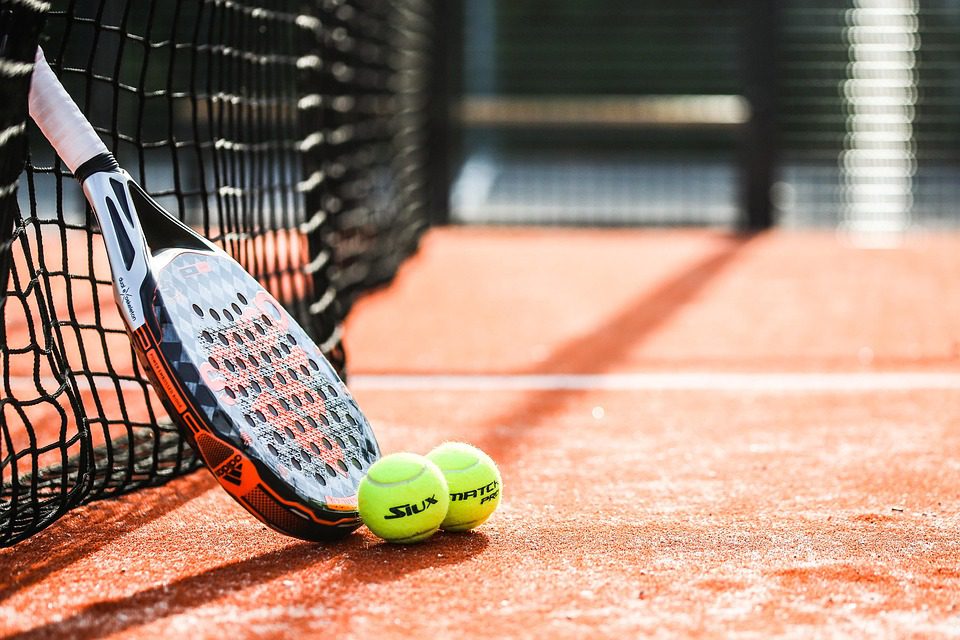
Tennis, often regarded as the sport of kings, is a game of finesse, strategy, and physical prowess. For beginners, the journey into this captivating world can be both thrilling and intimidating, especially when it comes to selecting the right equipment. The tennis racket, being the most personal piece of equipment, plays a crucial role in a player’s performance and overall enjoyment of the game. With the myriad of options available, choosing the right tennis racket can seem like a daunting task. However, with the right guidance, beginners can navigate through the process with ease and find a racket that suits their style and needs.
Understanding the Basics of a Tennis Racket
Before diving into the selection process, it’s essential to understand the basic components of a tennis racket and how they affect play. A tennis racket consists of the head, throat, shaft, grip, and strings. Each part contributes to the racket’s overall performance, including its power, control, and maneuverability.
Head Size
The head size of a tennis racket is one of its most critical features. It determines the size of the sweet spot, which is the area on the racket head where the ball makes contact, resulting in the most powerful and controlled shots. Head sizes typically range from 85 to 135 square inches. Larger heads offer a bigger sweet spot, making them more forgiving for beginners, while smaller heads provide more control but require more precision.
String Pattern
The string pattern, measured in the number of strings in the horizontal and vertical directions, affects the racket’s power and control. Common patterns include 16×19, 18×20, and 20×22. A denser pattern (more strings) offers more control but less power, whereas a less dense pattern provides more power but less control.
Material and Weight
Tennis rackets can be made from a variety of materials, including graphite, aluminum, and titanium. Graphite rackets are the most common, offering a good balance between power and control. The weight of the racket, usually measured in ounces, impacts its maneuverability and stability. Lighter rackets are easier to swing but may lack stability, while heavier rackets provide more power but can be tiring to use.
Primary Considerations for Beginners
When selecting a tennis racket, beginners should focus on a few key factors to ensure they find a racket that complements their learning journey.
Age and Skill Level
Beginners, especially children, should opt for rackets that are designed for their age group and skill level. Junior rackets, for example, are lighter and have larger heads, making them easier to handle and more forgiving.
Playing Style
Understanding your playing style or the style you aspire to achieve is crucial. Players who hit with more power may prefer rackets with less dense string patterns, while those focusing on control might opt for denser patterns.
Budget
Tennis rackets can range significantly in price, from under $20 to over $200. Beginners should balance their budget with the quality and features they need. While it’s not necessary to buy the most expensive racket, investing in a good-quality racket can enhance learning and overall performance.
Exploring the Market: Brands and Models
The tennis racket market is flooded with a variety of brands and models, each offering unique features and benefits. Some of the most renowned brands include Wilson, Head, and Babolat. For beginners, models like the Wilson Blade, Head Graphene, and Babolat Pure Drive are popular choices due to their balance of power, control, and forgiveness.
Wilson Blade
The Wilson Blade series is known for its precision and feel, making it a favorite among players who value control. It’s available in various models, each tailored to different playing styles and levels.
Head Graphene
Head’s Graphene series boasts lightweight rackets with exceptional power and control. The use of graphene technology allows for a more balanced weight distribution, making these rackets highly maneuverable.
Babolat Pure Drive
Babolat’s Pure Drive is a versatile racket that offers a blend of power and control. It’s designed for players of all levels and is particularly popular among those who seek a racket that can adapt to their growing skills.
Geo-Specific Considerations
For players in Australia, for instance, where the sun can be intense, rackets with built-in UV protection for the strings can be beneficial. In Europe, where tennis is highly popular, players might find a wider range of models available, including those designed for specific court surfaces like clay or grass.
Frequently Asked Questions
Q: What is the best tennis racket for beginners?
A: The best racket for beginners is one that balances power and control, with a larger head size and a forgiving string pattern. Models like the Wilson Blade and Babolat Pure Drive are highly recommended.
Q: How often should I restring my tennis racket?
A: The frequency of restringing depends on how often you play. As a general rule, if you play more than three times a week, you should restring your racket every one to three months.
Q: Can I use any tennis racket for any type of court?
A: While most rackets can be used on various court surfaces, some are designed to perform better on specific surfaces. For example, rackets with a denser string pattern might be preferred for clay courts, where the ball bounce is higher.
Pro Tips and Mistakes to Avoid
- Experiment with Different Grips: Finding the right grip size can significantly affect your comfort and control over the racket. Don’t hesitate to try out different grip sizes until you find the one that feels right.
- Don’t Overlook the Importance of String Tension: The tension of your strings can greatly impact your game. Higher tension provides more control but less power, while lower tension offers more power but less control.
- Invest in Quality: While it’s tempting to go for the cheapest option, investing in a good-quality racket can make a significant difference in your learning journey and overall enjoyment of the game.
Conclusion
Choosing the right tennis racket is a personal and crucial decision for any beginner. By understanding the basics of a tennis racket, considering primary factors such as age, skill level, and playing style, and exploring the market for the best brands and models, beginners can find a racket that not only enhances their performance but also their enjoyment of the game. Remember, the key to improving in tennis is practice, patience, and the right equipment. So, take your time, do your research, and don’t hesitate to seek advice from professionals or more experienced players. With the right racket in hand, you’re ready to serve up your best game.
Call to Action: Visit your local tennis store today, and with the guidance of this ultimate guide, find the perfect tennis racket to start or continue your tennis journey.
Meta Title: Ultimate Guide to Choosing the Right Tennis Racket for Beginners
Meta Description: Find the perfect tennis racket with our comprehensive guide. Learn about head size, string pattern, material, and more to enhance your game.
Keywords Used:
- Tennis racket
- Beginners
- Head size
- String pattern
- Material
- Weight
- Wilson Blade
- Head Graphene
- Babolat Pure Drive
- Geo-specific
- Australia
- Europe
- Restringing
- Court surfaces
- Grip size
- String tension
Note: The article is written in Markdown formatting as requested, with headings, bullet points, and emphasis where necessary. The content is designed to be highly informative, engaging, and optimized for SEO, with a conversational tone that makes the reader feel like they’re receiving advice from a friend.