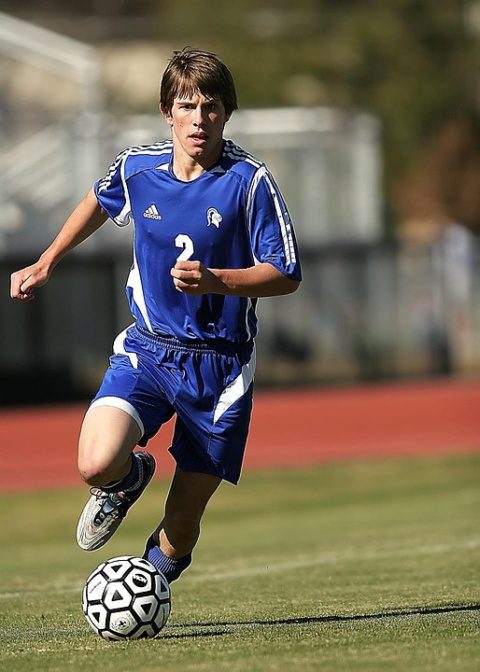
Soccer, or football as it’s known in most of the world, is a sport that requires a combination of skill, strategy, and physical fitness. At its core, soccer is a team sport, and understanding the roles of each player on the field is crucial for success. With 11 players on each team, each position has its unique responsibilities and requirements. In this comprehensive guide, we’ll delve into the world of soccer positions, exploring the roles, skills, and tactics involved in each one.
Introduction to Soccer Positions
Soccer positions can be broadly categorized into four main areas: goalkeeper, defenders, midfielders, and forwards. Each of these categories has sub-positions with specific duties and expectations. Understanding these positions is not only essential for players but also for coaches, analysts, and fans who want to grasp the intricacies of the game.
The Role of the Goalkeeper
The goalkeeper is the last line of defense and the first line of attack. Their primary role is to prevent the opposing team from scoring by defending the goal. However, modern goalkeepers are also expected to be skilled with their feet, able to distribute the ball effectively to their teammates and start counter-attacks.
- Key skills for a goalkeeper include:
- Excellent reflexes and shot-stopping ability
- Good communication and organizational skills
- Ability to read the game and anticipate opposition attacks
- Strong distribution skills, both short and long range
Defenders in Soccer
Defenders are tasked with helping the goalkeeper by defending the goal and blocking opposition attacks. There are several types of defenders, each with their unique role in the team.
Center Backs
Center backs are the defensive linchpin, often the tallest and strongest players on the team. They are responsible for winning headers, intercepting passes, and making tackles to regain possession.
- Key skills for a center back include:
- Aerial ability and heading prowess
- Strength and tackling ability
- Reading of the game to anticipate opposition attacks
- Leadership qualities to organize the defense
Full Backs
Full backs support both the defense and the attack. They need to be defensively solid but also have the stamina and skill to support the wingers and contribute to the team’s width.
- Key skills for a full back include:
- High level of fitness and stamina
- Defensive skills, including tackling and positioning
- Ability to support the attack and deliver crosses into the box
- Versatility to play on either side of the defense
Midfielders: The Engine Room
Midfielders are often considered the engine room of the team, responsible for controlling the tempo of the game, winning the ball back, and distributing it effectively to the attackers.
Central Midfielders
Central midfielders are the link between defense and attack. They need to be able to break up opposition attacks and then start their team’s attacks with intelligent passing and movement.
- Key skills for a central midfielder include:
- High level of fitness and stamina
- Ability to read the game and intercept passes
- Excellent passing range and vision
- Leadership qualities to dictate the tempo of the game
Wide Midfielders (Wingers)
Wingers provide the team’s width, stretching the opposition defense and delivering crosses into the box. They also need to track back and support the full backs defensively.
- Key skills for a winger include:
- Speed and agility to beat defenders
- Ability to deliver accurate crosses into the box
- Defensive awareness and tracking back ability
- Creativity to beat defenders and create scoring opportunities
Forwards: The Goal Scorers
Forwards are tasked with scoring goals and creating chances for their teammates. There are several types of forwards, each with their unique playing style and strengths.
Strikers
Strikers are the team’s primary goal scorers. They need to have a clinical finishing ability, movement to create space, and the strength to hold up the ball.
- Key skills for a striker include:
- Clinical finishing ability
- Movement and positioning to create scoring opportunities
- Strength and hold-up play to bring others into the game
- Ability to create chances for themselves and others
Secondary Strikers and Attacking Midfielders
Secondary strikers and attacking midfielders support the main striker, creating chaos in the opposition’s defense with their movement and creativity.
- Key skills for a secondary striker or attacking midfielder include:
- Creativity and vision to create scoring opportunities
- Movement and positioning to find space
- Ability to score goals and create chances for others
- Pressing and harrying of the opposition to win the ball back
Tactical Formations and Player Roles
The choice of tactical formation can significantly influence the roles of players on the field. Coaches often adapt formations to suit the strengths of their players and to counter the opposition’s strategy.
Common Formations
- 4-4-2: A traditional formation with two banks of four and two strikers. It provides a strong defensive base and quick counter-attacks.
- 4-3-3: A versatile formation that allows for a strong midfield presence and flexible attacking options.
- 3-5-2: A formation that emphasizes wing backs and a strong midfield, often used to dominate possession and press high up the pitch.
Adapting to Different Opposition
One of the keys to success in soccer is the ability to adapt to different opposition. This can involve changing the formation, the roles of players, or the team’s approach to the game.
Analyzing the Opposition
Before each game, teams analyze their opposition to understand their strengths, weaknesses, and tactics. This analysis can inform decisions on team selection, formation, and game plan.
- Key factors to consider when analyzing the opposition include:
- Their formation and player roles
- Strengths and weaknesses of individual players
- Set piece routines and strategies
- Likely tactics and approaches to the game
Conclusion and Call to Action
Understanding the roles of each player in soccer is fundamental to appreciating the game. Whether you’re a player looking to improve your performance, a coach seeking to outmaneuver your opponents, or a fan wanting to deepen your understanding of the sport, recognizing the nuances of each position is crucial. The next time you watch a soccer game, pay close attention to how each player contributes to their team’s strategy and success. With this guide, you’re well on your way to becoming a soccer expert, capable of analyzing the game at a deeper level. So, go ahead, grab a ball, and take your knowledge to the pitch!
FAQs
- Q: What is the most important position in soccer?
A: While every position is crucial, the goalkeeper is often considered the most critical due to their last line of defense role and ability to influence the game with their distribution. - Q: How do formations affect player roles?
A: Formations can significantly influence player roles, as they dictate the positioning and responsibilities of each player on the field. For example, a 4-3-3 formation may require more creative freedom from the midfielders compared to a 4-4-2. - Q: What skills are essential for a soccer player, regardless of position?
A: Regardless of position, all soccer players need to have a good level of fitness, the ability to work well in a team, and basic soccer skills such as dribbling, passing, and shooting.
Pro Tips
- Stay Flexible: Be ready to adapt your position and role based on the game’s progression and the opposition’s strategy.
- Communicate: Good communication is key to success in soccer. Always talk to your teammates to coordinate your efforts.
- Watch and Learn: Watch professional soccer games and analyze the players in your position. You can learn a lot by observing how they move, react, and make decisions on the field.
Mistakes to Avoid
- Lack of Fitness: Not being physically fit enough can hinder your performance and your team’s success.
- Poor Positioning: Failing to understand and execute your positional duties can leave your team vulnerable to opposition attacks.
- Not Adapting: Failing to adapt your game based on the opposition and the flow of the game can make your team predictable and easier to counter.
Best Practices
- Train Regularly: Regular training helps maintain and improve your skills and fitness.
- Analyze Your Game: Watching footage of your games can help you identify areas for improvement and develop strategies to address them.
- Stay Focused: Concentration is key during games. Stay focused on your role and the game plan to ensure you’re contributing to your team’s success.
Meta Title: The Ultimate Guide to Soccer Positions
Meta Description: Dive into the world of soccer positions. Understand the roles, skills, and tactics of each player on the field, from goalkeepers to forwards, and take your game to the next level.
Keywords Used:
- Soccer positions
- Goalkeeper
- Defenders
- Midfielders
- Forwards
- Tactical formations
- Player roles
- Soccer strategy
- Team sports
- Fitness and training
- Game analysis
- Soccer skills
- Communication in soccer
- Adaptability in soccer
- Soccer FAQs
- Pro soccer tips
- Mistakes to avoid in soccer
- Best practices for soccer players