



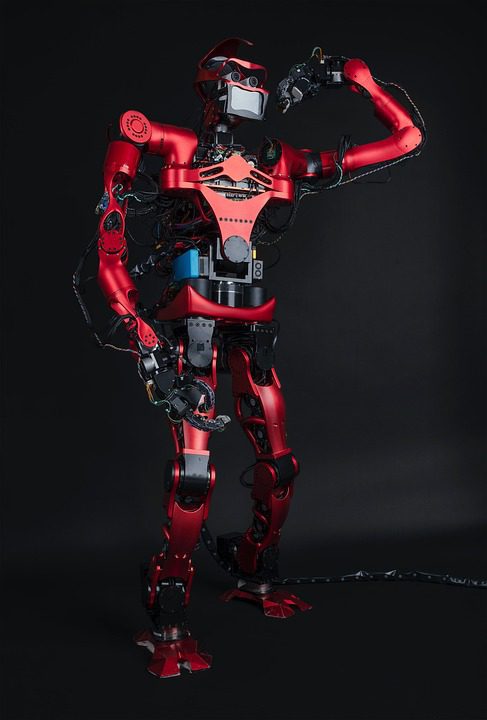
Introduction to a new era in automation has begun, one where robotics and artificial intelligence (AI) are transforming industries and revolutionizing the way we live and work. As we step into this future, the integration of AI into robotics is not just about creating machines that can perform tasks autonomously; it’s about crafting a world where human capabilities are augmented, efficiency is maximized, and innovation knows no bounds.
Understanding the Basics of Robotics and AI
What is Robotics?
Robotics is the intersection of engineering, computer science, and technology focused on designing, constructing, and operating robots. These machines can perform a variety of tasks, typically repetitive or dangerous for humans, with precision and speed. However, with the advent of AI, the capabilities of robots have expanded significantly.
What is Artificial Intelligence?
Artificial Intelligence refers to the development of computer systems that can perform tasks that typically require human intelligence, such as learning, problem-solving, decision-making, and perception. When integrated into robotics, AI enables robots to think and act more like humans, making them versatile and adaptable to a wide range of applications.
The Integration of AI in Robotics
How AI is Changing Robotics
The integration of AI into robotics has led to the development of smart robots that can learn from experience, adapt to new situations, and interact with humans in a more natural way. This has opened up new possibilities for robotics in areas such as manufacturing, healthcare, transportation, and education.
- Manufacturing: AI-powered robots can perform complex assembly tasks, improve production line efficiency, and predict maintenance needs, reducing downtime.
- Healthcare: Robots can assist in surgeries, provide companionship and care to elderly patients, and help in rehabilitation processes.
- Transportation: Autonomous vehicles are being developed to improve road safety, reduce traffic congestion, and provide transportation solutions for the elderly and disabled.
- Education: Interactive robots can personalize learning experiences, making education more engaging and effective.
Challenges and Limitations
Despite the advancements, there are challenges to overcome, including ensuring the safety and reliability of AI-driven robots, addressing ethical concerns related to job displacement and privacy, and developing robots that can understand and comply with regulatory frameworks.
The Future of Work: Human-Robot Collaboration
The Shift Towards Augmentation
As AI and robotics continue to advance, there’s a shift from the concept of replacement to augmentation. The future of work is not about humans versus robots but about humans and robots working together. This collaboration can lead to increased productivity, improved job satisfaction, and the creation of new job roles that we cannot yet imagine.
Skills for the Future
To thrive in a world where AI and robotics are pervasive, individuals will need to develop skills that complement the capabilities of machines. This includes creativity, critical thinking, empathy, and complex problem-solving abilities.
Geo-Specific Applications and Opportunities
United States
In the US, there’s a significant focus on developing AI-powered robots for the manufacturing sector, aiming to boost competitiveness and create jobs. States like California and Massachusetts are hubs for robotics and AI startups, driving innovation and investment in the field.
Europe
The European Union has launched several initiatives to support the development of robotics and AI, with a focus on ethical considerations and societal impact. Countries like Germany and the UK are leading in terms of research and industrial applications of robotics and AI.
Asia
Asian countries, particularly Japan, China, and South Korea, are at the forefront of robotics and AI innovation. They are investing heavily in research and development, aiming to lead the global market in areas such as autonomous vehicles and service robots.
Best Practices for Implementing AI in Robotics
Start with Clear Objectives
Define what you want to achieve with AI integration. Whether it’s improving efficiency, enhancing customer experience, or exploring new markets, clear objectives guide the development and implementation process.
Invest in Training and Development
As AI and robotics advance, the skill gap widens. Investing in employee training and development ensures that your workforce is ready to work alongside smart machines.
Embrace Ethical Considerations
AI and robotics raise ethical questions about privacy, safety, and job displacement. Addressing these concerns proactively builds trust and ensures sustainable growth.
Frequently Asked Questions
Q: Will Robots Replace Human Workers?
A: While automation will certainly change the job market, the focus is on augmentation rather than replacement. New roles will emerge that we cannot yet anticipate.
Q: How Safe are AI-Powered Robots?
A: Safety is a top priority in the development of AI-powered robots. Manufacturers and regulators are working together to ensure that robots operate safely and securely.
Q: What Skills Do I Need to Work with Robots and AI?
A: Skills like programming, data analysis, and critical thinking are valuable. However, soft skills such as creativity, empathy, and communication are equally important in a future where human-robot collaboration is key.
Conclusion
The future of robotics, powered by artificial intelligence, is exciting and transformative. It’s about creating a world that’s more efficient, more innovative, and more beneficial to humanity. As we move forward, it’s crucial to address the challenges and ensure that the benefits of robotics and AI are accessible to all. Whether you’re an individual looking to upskill, a business aiming to innovate, or a policymaker seeking to create a supportive environment, now is the time to embrace this future. Let’s work together to harness the power of robotics and AI for a better tomorrow.
