As the world shifts towards a more sustainable future, electric cars have become an increasingly popular choice for many drivers. With their zero-emission status, lower operating costs, and sleek designs, it’s no wonder why electric vehicles (EVs) are gaining traction. However, with so many options available, buying an electric car can be a daunting task. In this comprehensive guide, we’ll cover everything you need to know about buying an electric car, from the different types of electric vehicles to maintenance costs and more.
Introduction to Electric Vehicles
Electric vehicles are not a new concept, but they have come a long way since their inception. With advancements in technology, EVs have become more efficient, affordable, and environmentally friendly. There are several types of electric vehicles, including:
- Battery Electric Vehicles (BEVs): These vehicles are powered solely by a battery and electric motor, with no internal combustion engine.
- Plug-in Hybrid Electric Vehicles (PHEVs): These vehicles have both a battery and an internal combustion engine, allowing them to run on electricity and gasoline.
- Hybrid Electric Vehicles (HEVs): These vehicles have a battery and an internal combustion engine, but they cannot be plugged into an electrical outlet to charge.
- Extended-Range Electric Vehicles (E-REVs): These vehicles have a battery and an internal combustion engine, but the engine is only used to generate electricity to charge the battery.
Benefits of Electric Vehicles
Electric vehicles offer several benefits, including:
- Zero Emissions: EVs produce no tailpipe emissions, reducing greenhouse gas emissions and air pollution.
- Lower Operating Costs: EVs are generally cheaper to run, with lower fuel costs (electricity is often less expensive than gasoline) and lower maintenance costs.
- Smoother and Quieter Ride: EVs have a smoother and quieter ride than traditional gasoline-powered vehicles.
- Performance: EVs have exceptional acceleration and performance, thanks to the instant torque provided by their electric motors.
- Government Incentives: Many governments offer incentives, such as tax credits or rebates, to encourage the adoption of EVs.
Choosing the Right Electric Vehicle
With so many electric vehicles on the market, it can be challenging to choose the right one. Here are some factors to consider:
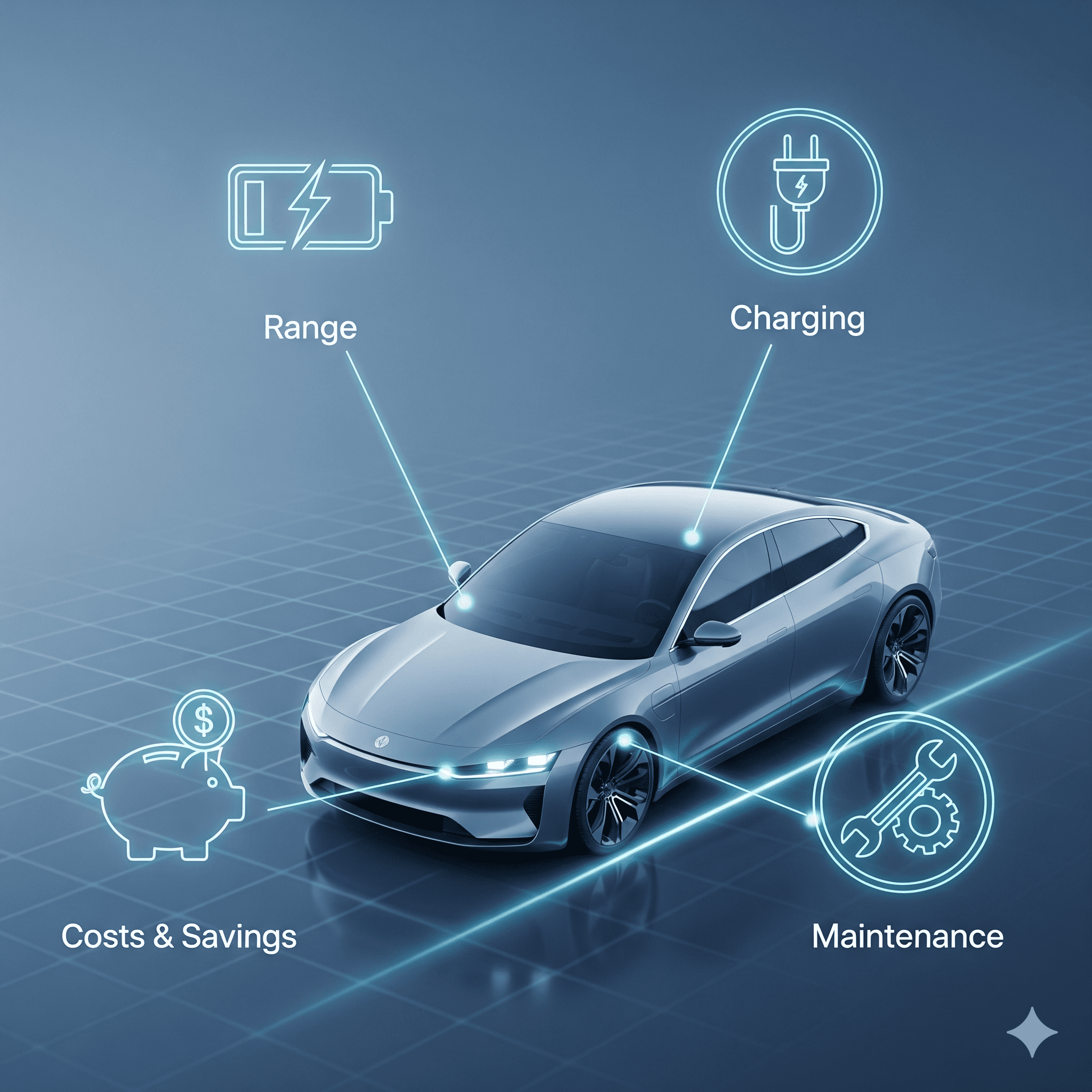
- Range and Charging Time: Consider how far you need to drive and how often you can charge your vehicle.
- Budget: Determine your budget and consider the total cost of ownership, including purchase price, operating costs, and maintenance costs.
- Features and Options: Consider the features and options you need, such as heated seats, navigation, and safety features.
- Brand and Model: Research different brands and models to find the one that best fits your needs and preferences.
Popular Electric Vehicle Models
Some popular electric vehicle models include:
- Tesla Model 3: A compact luxury sedan with a range of up to 326 miles.
- Chevrolet Bolt: A compact crossover with a range of up to 259 miles.
- Nissan Leaf: A compact hatchback with a range of up to 226 miles.
- Audi e-tron: A luxury SUV with a range of up to 246 miles.
- Hyundai Kona Electric: A subcompact crossover with a range of up to 258 miles.
Maintenance and Repair
Electric vehicles require less maintenance than traditional gasoline-powered vehicles, but they still need regular maintenance to ensure optimal performance and longevity. Here are some maintenance and repair considerations:
- Battery Maintenance: EV batteries require regular maintenance to ensure optimal performance and longevity.
- Brake Maintenance: EVs have regenerative braking systems, which can reduce wear on brake pads and rotors.
- Tire Maintenance: EVs have unique tire requirements, with a focus on low rolling resistance and high traction.
- Service Intervals: EVs have longer service intervals than traditional gasoline-powered vehicles, but regular maintenance is still necessary.
Maintenance Costs
The maintenance costs of electric vehicles are generally lower than those of traditional gasoline-powered vehicles. Here are some estimated maintenance costs:
- Battery Replacement: $5,000 to $15,000
- Brake Pads: $300 to $500
- Tires: $500 to $1,000
- Service Intervals: $500 to $1,000 per year
Charging and Infrastructure
Charging is a critical aspect of electric vehicle ownership. Here are some charging and infrastructure considerations:
- Charging Types: There are several types of charging, including Level 1 (120V), Level 2 (240V), and DC Fast Charging.
- Charging Speed: Charging speed varies depending on the type of charging and the vehicle’s battery capacity.
- Charging Infrastructure: Charging infrastructure is expanding rapidly, with public charging stations and home charging systems available.
- Range Anxiety: Range anxiety is a common concern for EV owners, but it can be mitigated with proper planning and charging habits.
Charging Costs
The cost of charging an electric vehicle varies depending on the location and type of charging. Here are some estimated charging costs:
- Home Charging: $3 to $5 per 100 miles
- Public Charging: $5 to $10 per 100 miles
- DC Fast Charging: $10 to $20 per 100 miles
Incentives and Tax Credits
Many governments offer incentives and tax credits to encourage the adoption of electric vehicles. Here are some examples:
- Federal Tax Credit: Up to $7,500 tax credit for purchasing an EV
- State and Local Incentives: Varying incentives, such as rebates, exemptions, and access to HOV lanes
- Utility Company Incentives: Special rates and discounts for EV owners
Frequently Asked Questions
Here are some frequently asked questions about electric vehicles:
- Q: How far can I drive on a single charge?
A: The range of an EV varies depending on the model, but most can drive between 200 and 300 miles on a single charge.
- Q: How far can I drive on a single charge?
- Q: How long does it take to charge an EV?
A: Charging time varies depending on the type of charging and the vehicle’s battery capacity, but most can charge to 80% in under 30 minutes.
- Q: How long does it take to charge an EV?
- Q: Are EVs more expensive than traditional gasoline-powered vehicles?
A: Yes, EVs are generally more expensive than traditional gasoline-powered vehicles, but they offer lower operating costs and may be eligible for incentives and tax credits.
- Q: Are EVs more expensive than traditional gasoline-powered vehicles?
- Q: Can I charge an EV at home?
A: Yes, most EVs can be charged at home using a Level 1 or Level 2 charger.
- Q: Can I charge an EV at home?
Conclusion
Buying an electric car can be a complex and overwhelming process, but with the right information and guidance, it can also be a rewarding and exciting experience. By considering factors such as range, charging time, budget, features, and maintenance costs, you can find the perfect EV to fit your needs and lifestyle. Additionally, with the many incentives and tax credits available, EVs can be a cost-effective and environmentally friendly choice. So why not join the electric revolution and start driving towards a sustainable future?
If you’re considering buying an electric car, we encourage you to do your research, test drive different models, and consult with experts in the field. With the right information and guidance, you can make an informed decision and start enjoying the many benefits of electric vehicle ownership.