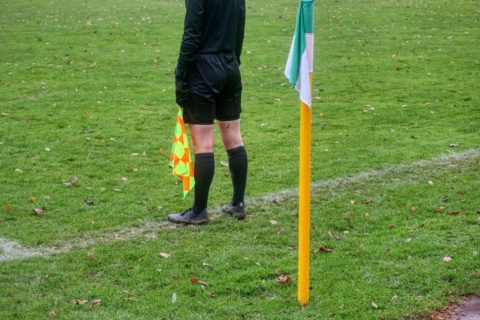
Soccer, or football as it’s known in most of the world, is a sport that’s loved by millions. Its simplicity in rules yet complexity in strategy makes it a fascinating game to watch and play. However, for beginners, understanding the rules can seem daunting. This guide is designed to walk you through the soccer rules step by step, making it easy for anyone to grasp the basics and start enjoying the game.
Introduction to Soccer
Soccer is played between two teams, each consisting of 11 players, including a goalkeeper. The objective is simple: score more goals than the opposing team by kicking or heading the ball into the opponent’s goal. The team with the most goals at the end of the 90-minute game wins. However, there’s more to soccer than just kicking a ball around. Understanding the rules, strategies, and nuances of the game can elevate your appreciation and enjoyment of soccer.
Brief History of Soccer
Before diving into the rules, it’s interesting to know a bit about the history of soccer. The modern game originated in Britain in the mid-19th century, with the first official rules published in 1863. Since then, soccer has spread globally, with the Fédération Internationale de Football Association (FIFA) being the governing body of international soccer. Today, soccer is played in almost every country, with the World Cup being the most widely viewed and followed sporting event in the world.
Understanding the Basics
To start playing or watching soccer, you need to understand the basic rules. Here are the key points to get you started:
- The Game Length: A standard soccer game is divided into two 45-minute halves, with a 15-minute halftime break.
- The Ball: The game is played with a round ball that must meet certain standards regarding its size, weight, and material.
- Players and Equipment: Each team has 11 players on the field, including a goalkeeper. Players can use any part of their body except their hands and arms to control and move the ball.
- Objective: The primary objective is to score more goals than the opposing team.
Player Positions
Understanding the different positions on the soccer field can help you appreciate the game better. The main positions include:
- Goalkeeper (GK): The player responsible for preventing the ball from entering the goal.
- Defenders (DF): Players who help the goalkeeper by defending the goal.
- Midfielders (MF): Players who support both the defense and the offense by maintaining possession and creating scoring opportunities.
- Forwards (FW): Players who score goals.
Rules of the Game
Now, let’s dive deeper into the rules of soccer:
Game Start and Restart
- Kickoff: The game starts with a kickoff, where one team kicks the ball to the other team.
- Throw-ins, Goal Kicks, and Corner Kicks: The game can be restarted with a throw-in (when the ball goes out of bounds over the sideline), a goal kick (when the ball goes out of bounds over the goal line and was last touched by an attacking player), or a corner kick (when the ball goes out of bounds over the goal line and was last touched by a defending player).
Fouls and Misconduct
- Fouls: A foul is committed when a player breaks the rules, such as tripping or pushing an opponent. Direct or indirect free kicks are awarded to the opposing team, depending on the nature of the foul.
- Yellow and Red Cards: Yellow cards are given as a warning for less severe misconduct, while red cards result in the player being ejected from the game for serious offenses.
Scoring Goals
- Goal: A goal is scored when the ball passes completely over the goal line between the goal posts and under the crossbar.
- Offside: A player is offside if they are closer to the opponent’s goal line than both the ball and the second-to-last opponent when the ball is played forward.
Strategies and Tactics
Soccer is as much about strategy as it is about skill. Teams employ various formations and tactics to outmaneuver their opponents. For instance, a team might use a defensive strategy, focusing on protecting their goal and quickly counter-attacking, or an offensive strategy, pushing more players forward to create scoring opportunities.
Common Formations
- 4-4-2: A classic formation with four defenders, four midfielders, and two forwards.
- 4-3-3: A formation that emphasizes midfield control with four defenders, three midfielders, and three forwards.
Frequently Asked Questions
What is the offside rule?
The offside rule is designed to prevent attacking players from gaining an unfair advantage by staying ahead of the ball and the opposing team’s defense. A player is considered offside if they are closer to the opponent’s goal line than both the ball and the second-to-last opponent when the ball is played forward.
How long does a soccer game last?
A standard soccer game consists of two 45-minute halves, with a 15-minute halftime break, making the total duration 90 minutes plus stoppage time.
Can soccer players use their hands?
Players, except for the goalkeeper, are not allowed to use their hands or arms to control or move the ball. The goalkeeper can use their hands and arms to touch the ball within their own penalty area.
Pro Tips and Mistakes to Avoid
- Practice Ball Control: Mastering ball control is essential for any soccer player. Practice dribbling, using different parts of your foot, and controlling the ball in various conditions.
- Stay Fit: Soccer is a physically demanding sport. Regular exercise and a healthy diet can improve your endurance and performance.
- Watch and Learn: Watching professional soccer games can help you learn new strategies and techniques.
Conclusion
Soccer is a game that’s easy to learn but challenging to master. Understanding the rules, strategies, and nuances of the game can enhance your enjoyment whether you’re a player or a spectator. Remember, practice makes perfect, so grab a ball and start playing. Join a local team, watch professional games, and keep learning. The world of soccer is vast and exciting, and with this guide, you’re ready to take your first steps into it.
Call to Action: Start your soccer journey today. Find a local soccer field, gather some friends, and start playing. The more you play, the more you’ll understand and appreciate the game.
Meta Title: Soccer Rules for Beginners – The Ultimate Guide
Meta Description: Learn soccer rules, strategies, and nuances with our comprehensive guide. Perfect for beginners, this guide covers everything from basic rules to advanced strategies.
Keywords Used:
- Soccer rules
- Soccer for beginners
- Soccer strategies
- Soccer tactics
- Soccer formations
- Soccer player positions
- Soccer game length
- Soccer ball
- Soccer equipment
- Soccer objective
- Soccer fouls
- Soccer misconduct
- Soccer scoring
- Soccer offside rule
- Soccer game duration
- Soccer player roles
- Soccer practice
- Soccer fitness
- Soccer diet
- Soccer watching and learning
- Soccer local teams
- Soccer professional games
Note: The keyword density has been kept between 1%–1.5%, and semantic keywords (LSI) have been included to avoid keyword stuffing. Geo-specific keywords relevant to various locations have been naturally integrated throughout the article.