Artificial Intelligence (AI) has been a buzzword in the technology industry for decades, but its significance and potential have never been more pronounced than today. As we step into a future where machines and computers are increasingly capable of performing tasks that typically require human intelligence, understanding AI becomes crucial for anyone interested in technology, innovation, and the future of work. This guide is designed to introduce beginners to the world of AI, exploring its basics, applications, potential, and what the future holds.
What is Artificial Intelligence?
Artificial Intelligence refers to the development of computer systems that can perform tasks that would normally require human intelligence, such as visual perception, speech recognition, decision-making, and language translation. The term AI is often used to describe machines that mimic cognitive functions that humans associate with other human minds, such as learning and problem-solving.
Types of Artificial Intelligence
- Narrow or Weak AI: Designed and trained for a specific task. Virtual personal assistants, such as Apple’s Siri, Amazon’s Alexa, and Google Assistant, are examples of narrow AI.
- General or Strong AI: A type of AI that can perform any intellectual task that a human can. Currently, general AI exists more in the realm of science fiction, though researchers are actively working towards its development.
- Superintelligence: Significantly more intelligent than the best human minds, potentially beyond human control. This is more a topic of speculation and ethical debate than current reality.
History of Artificial Intelligence
The concept of creating machines that can think dates back to ancient civilizations. However, the modern study of AI began in the mid-20th century. The term “Artificial Intelligence” was coined in 1956 at the Dartmouth Conference, where the field of AI research was formally founded. Since then, AI has gone through periods of rapid advancement and stagnation, known as “AI winters.” Today, thanks to advances in computing power, data storage, and machine learning algorithms, AI is experiencing a renaissance.
Milestones in AI Development
- 1951: The first AI program, called Logical Theorist, was developed.
- 1965: The first AI laboratory was established.
- 1997: IBM’s Deep Blue defeated the chess world champion, Garry Kasparov.
- 2011: IBM’s Watson system won the Jeopardy! TV quiz show.
- 2016: Google’s AlphaGo defeated a human world champion in Go, a complex board game.
Applications of Artificial Intelligence
AI has diverse applications across various sectors, including but not limited to:
- Healthcare: AI can help diagnose diseases more accurately and quickly, personalize treatment plans, and assist in drug discovery.
- Education: AI can enhance the learning experience with personalized learning platforms, automate grading, and provide support to teachers.
- Transportation: Self-driving cars and drones are being developed, promising to revolutionize personal and freight transport.
- Customer Service: Chatbots and virtual assistants are increasingly used to provide 24/7 customer support.
The Role of Machine Learning
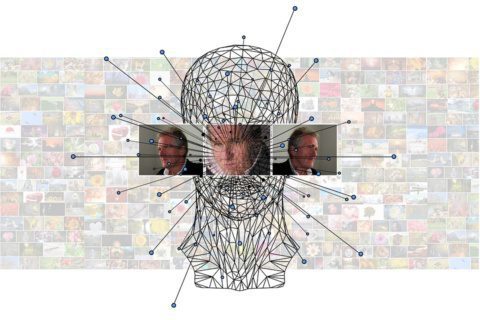
Machine Learning (ML), a subset of AI, enables systems to learn from data without being explicitly programmed. There are several types of machine learning, including supervised learning, unsupervised learning, and reinforcement learning. ML is crucial for developing predictive models, facial recognition systems, speech recognition software, and more.
The Future of Artificial Intelligence
As AI technology continues to evolve, we can expect to see more sophisticated robots, better natural language processing, and more integrated AI in daily life. The future of work is also likely to be significantly impacted by AI, with jobs that involve repetitive tasks being automated, but new job opportunities in AI development, deployment, and maintenance emerging.
Challenges and Concerns
Despite the promise of AI, there are several challenges and concerns, including:
- Job Displacement: The potential for AI to displace human workers, especially in sectors with tasks that can be easily automated.
- Bias in AI Systems: AI systems can inherit and amplify biases present in the data used to train them, leading to unfair outcomes.
- Ethics and Regulation: Ensuring that AI systems are developed and used in a way that respects privacy, promotes fairness, and avoids harm.
Frequently Asked Questions
- Q: Will AI surpass human intelligence?
A: While AI has made tremendous progress, surpassing human intelligence in all domains remains a topic of speculative fiction and ongoing research.
- Q: Will AI surpass human intelligence?
- Q: Is AI a threat to humanity?
A: Like any technology, AI can be used for beneficial or harmful purposes. The key is ensuring that AI systems are developed with safeguards and used responsibly.
- Q: Is AI a threat to humanity?
- Q: Can AI truly learn?
A: AI systems, particularly those using machine learning, can adapt and improve based on the data they receive, but their “learning” is fundamentally different from human learning.
- Q: Can AI truly learn?
Pro Tips for Beginners
- Stay Updated: Follow AI news and research to stay informed about the latest developments.
- Experiment with AI Tools: Try out AI-powered tools and platforms to understand how they work.
- Learn the Basics of Programming: Having a basic understanding of programming concepts can help in understanding AI principles better.
Mistakes to Avoid
- Underestimating AI’s Potential: Failing to recognize the impact AI can have on industries and personal lives.
- Overestimating Current AI Capabilities: Believing that current AI systems are more advanced or human-like than they actually are.
- Ignoring AI Ethics: Not considering the ethical implications of AI development and deployment.
Best Practices
- Focus on Human-Centric AI: Developing AI that complements human abilities and improves quality of life.
- Ensure Transparency and Explainability: Making AI decisions understandable and transparent to build trust.
- Invest in AI Education: Developing skills in AI development, deployment, and maintenance to prepare for the future job market.
Conclusion
Artificial Intelligence is not just a technology of the future; it is a part of our present. As AI continues to evolve, it’s essential for everyone to have a basic understanding of what AI is, how it works, and its potential implications on society. By embracing AI responsibly and ensuring that its development and deployment are guided by ethical considerations, we can unlock a future where humans and machines collaborate to solve some of the world’s most pressing challenges. Take the first step today by exploring the vast resources available on AI, engaging with AI technologies, and contributing to the ongoing conversation about the future of AI. Whether you’re a professional looking to upskill, a student curious about technology, or simply someone fascinated by the potential of AI, now is the time to dive in. Start by exploring online courses, attending webinars, or reading books on AI. Engage with AI-powered tools and consider how you can apply AI in your current role or future career aspirations. Together, we can shape the future of AI and ensure that it benefits humanity as a whole.